Understanding the moving body
Understand your body. Shape your progress.
Body Lab explains what happens inside your body when you move, train, eat and recover — with diagrams, 3D scenes and verifiable sources.
Explore by pillar
Body
The body: muscles, landmarks and functions
The Body pillar answers one simple question: where is a structure and what does it do? The pillar describes the major muscles and their attachments, the joints, the tissues all of that is made of, and the systems that make them work.
56 pages
Movement
The fundamental movements
The Movement pillar answers one question: how does the body produce this movement? Six families of movement — squat, hip hinge, pushes and pulls — provide a reading grid for almost every exercise, joined by walking and running.
13 pages
Adaptation
Adaptations: how the body changes
The Adaptation pillar answers one question: how does the body change when it is trained? Three mechanisms and two videos describe muscle growth, the role of mechanical tension and the synthesis of proteins.
9 pages
Energy
Energy: producing and using fuel
The Energy pillar answers one question: where does the energy for a muscle contraction come from? Two mechanisms and two videos describe ATP, phosphocreatine and the glycogen stored in muscle.
10 pages
Recovery
Recovery: returning to balance
The Recovery pillar answers one question: how does the body return to its resting balance after an effort? The launch corpus covers sleep, in one written page and one video.
7 pages
Start from a structure
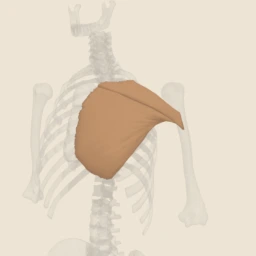
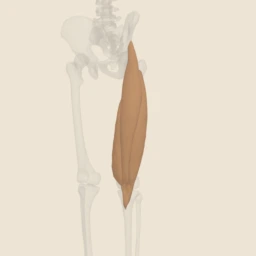
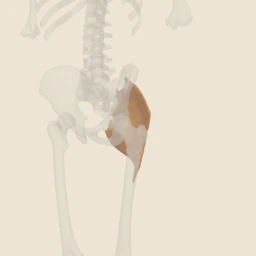
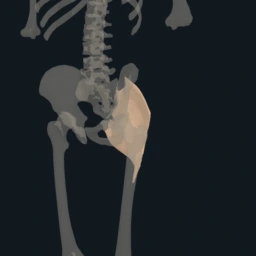
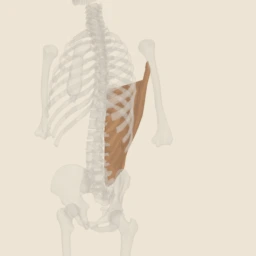
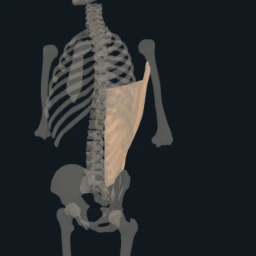
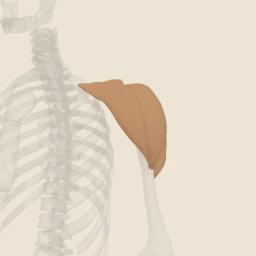
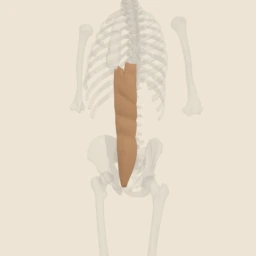
Featured pathways
Anatomy of a movement
6 steps · 50 min
Energy and recovery
6 steps · 50 min
From an intention to a movement
9 steps · 82 min
Locate and name
6 steps · 45 min
See all 7 pathways
Understand right now
Adaptation
How muscle grows
What actually makes a muscle grow? This page follows the chain of events that links a set of exercise to a thicker muscle fibre, and separates what is established from what is still debated by research.
9 min read
Mechanical tension, fatigue and volume
Should you lift heavy, train to exhaustion, or simply do a lot? This page untangles three variables that are often confused, shows how they combine over the course of a set, and states the level of evidence behind each one.
9 min read
Motor command
A muscle does not contract as one block. It contracts in units, recruited in an order that is not left to chance — and that recruitment improves before the muscle gets any bigger.
9 min read
Why you can read us
Every page names its authors, its editorial review, its limits and its sources.
See all sources